
Discord's Controversial Age Verification Policy Starts Today
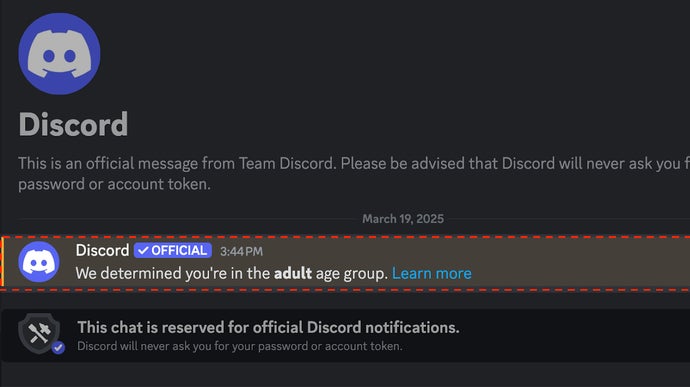
Discord is finally implementing its long-gestating and highly controversial age verification policy, a move that was initially announced and then delayed earlier in 2026. After facing a wave of backlash and user concerns regarding privacy and the practicality of the system, the platform had seemingly hit the brakes. However, it appears the pause was temporary, and the company is now pushing forward with the controversial measure.
The specifics of the policy, while not fully detailed in the recent announcement, are expected to require users to verify their age, likely through official identification or other stringent methods. This initiative is widely understood to be Discord's response to increasing pressure from regulators and a push to better control access to age-restricted content, particularly NSFW (Not Safe For Work) servers and channels, ensuring compliance with various age-gating laws.
The re-introduction of this policy is anticipated to reignite the privacy concerns that plagued its initial announcement. Users previously expressed worries about handing over personal documents to a platform known for its often-anonymous user base. Furthermore, the implications for server owners, particularly those managing communities with a mix of age groups or sensitive topics, are likely to be significant, potentially disrupting established communities and forcing difficult moderation decisions.
Our take
Live commentary on a developing story, not a final verdict.
Well, well, well, look who's back from the dead. Discord's age verification policy, once put on ice due to an absolute torrent of user outcry, has officially risen like a digital zombie. Frankly, this isn't surprising. Big tech platforms are constantly walking a tightrope between user freedom and regulatory compliance, and when it comes to 'protecting the children' (and, let's be real, protecting their own asses from legal trouble), compliance usually wins out.
But let's not pretend this is a clean win for anyone. On one hand, yes, keeping minors away from truly nasty corners of the internet is crucial. On the other hand, demanding government IDs from millions of users, many of whom cherish the anonymity that platforms like Discord offer, is a massive privacy headache. It's a heavy-handed solution that feels less about nuanced protection and more about broad-stroke liability mitigation. Are we really convinced this won't just push bad actors to even shadier, less moderated corners of the web, leaving legitimate communities to jump through bureaucratic hoops?
This whole saga is a prime example of the ongoing battle between platform idealism and real-world regulatory pressure. Discord wanted to be the wild west of communities, but the sheriffs eventually come calling. Now, users will have to decide if their love for their Discord servers outweighs their discomfort with handing over their digital fingerprints. Grab your popcorn, folks, because the drama of mass verification and inevitable workaround attempts is just beginning.
This is our take on a developing story, not the final word — read the original reporting at Polygon ↗